Heart coherence, a central concept in HeartMath, refers to a state of optimal functioning where the heart, mind, and emotions are in sync. In this guide, I will walk you through the intricate details of heart coherence and its significance in enhancing emotional and physical health.
What is Heart Coherence in HeartMath?
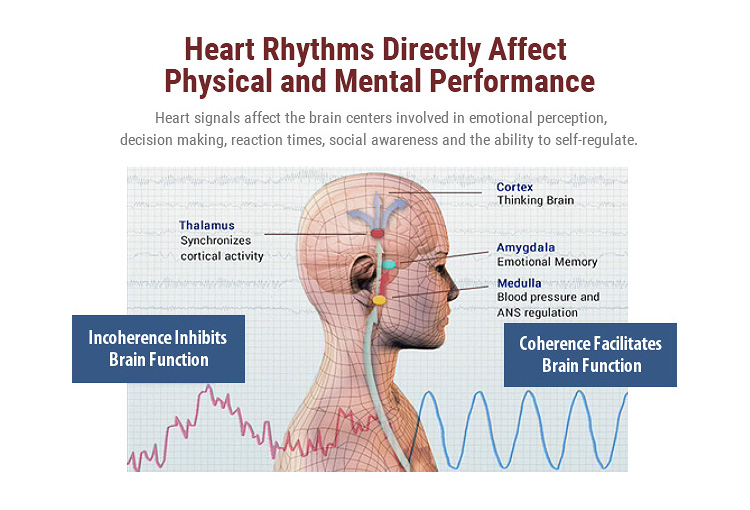
Heart coherence in HeartMath is all about achieving a harmonious state where the heart rate variability (HRV) pattern becomes smooth and ordered. When we experience positive emotions, such as love or gratitude, our heart rhythms exhibit a coherent pattern, which is associated with improved psychological and physiological states. This coherent state is not just a fleeting moment; it can be cultivated and sustained through practice.
HeartMath, as a system, provides tools and techniques to help us achieve and maintain heart coherence. By focusing on the heart, one can regulate emotions, thoughts, and reactions, leading to a balanced state of being. This harmonious state is crucial for enhancing personal resilience, improving decision-making, and fostering emotional stability.
Achieving heart coherence is akin to tuning an instrument. Just as musicians ensure their instruments are in harmony, we too must align our internal states. HeartMath offers various practices to guide individuals towards this equilibrium, impacting overall well-being positively.
The Science Behind Heart Coherence
The science of heart coherence is rooted in the study of heart rate variability (HRV), which measures the variation in time between consecutive heartbeats. HRV is a critical indicator of the autonomic nervous system’s balance, reflecting the body’s ability to adapt to stress and environmental changes. A coherent heart rhythm signifies efficient communication between the heart and brain, promoting optimal functioning.
Research in neurocardiology has demonstrated that the heart sends more signals to the brain than vice versa. This bidirectional communication affects cognitive functions like attention, perception, and emotional processing. Heart coherence enhances this communication, leading to improved cognitive performance and emotional regulation.
Scientific studies have shown that practicing heart coherence can lead to significant physiological changes, such as reduced cortisol levels, improved immune function, and increased DHEA levels, often referred to as the “anti-aging hormone.” These findings underscore the profound impact of heart coherence on our bodies and minds.
Importance of Heart Coherence for Emotional and Physical Health
Heart coherence is pivotal for maintaining both emotional and physical health. Emotionally, it aids in managing stress, reducing anxiety, and fostering a sense of calm and well-being. By achieving coherence, we can better navigate life’s challenges, responding with resilience rather than reactivity.
Physically, heart coherence has been linked to numerous health benefits. It supports cardiovascular health by promoting optimal heart function and reducing the risk of heart disease. Additionally, it enhances cognitive functions, including focus, memory, and decision-making, by ensuring efficient communication between the heart and brain.
The practice of heart coherence is not just beneficial for individuals with existing health issues; it is also a preventive measure. Regular practice can lead to sustained health improvements, making it an essential component of a holistic health strategy.
What is a Good Coherence Score in HeartMath?
In HeartMath, coherence scores are used to quantify the level of heart coherence an individual achieves during practice. These scores range from low to high coherence, with higher scores indicating a more stable and harmonious heart rhythm. Consistently achieving a high coherence score is associated with optimal emotional and physiological health.
A good coherence score typically falls within the mid to high range, often above 70 on a scale of 0 to 100. This score signifies that the individual is experiencing a smooth, ordered heart rhythm, which is conducive to stress reduction and emotional balance. However, it’s important to remember that coherence is a personal journey, and improvement over time is more important than a single score.
HeartMath devices offer real-time feedback, allowing users to track their coherence scores and progress. By regularly practicing techniques and monitoring scores, individuals can gradually improve their coherence, leading to sustained health benefits and emotional well-being.
How to Measure Heart Coherence Using HeartMath Devices
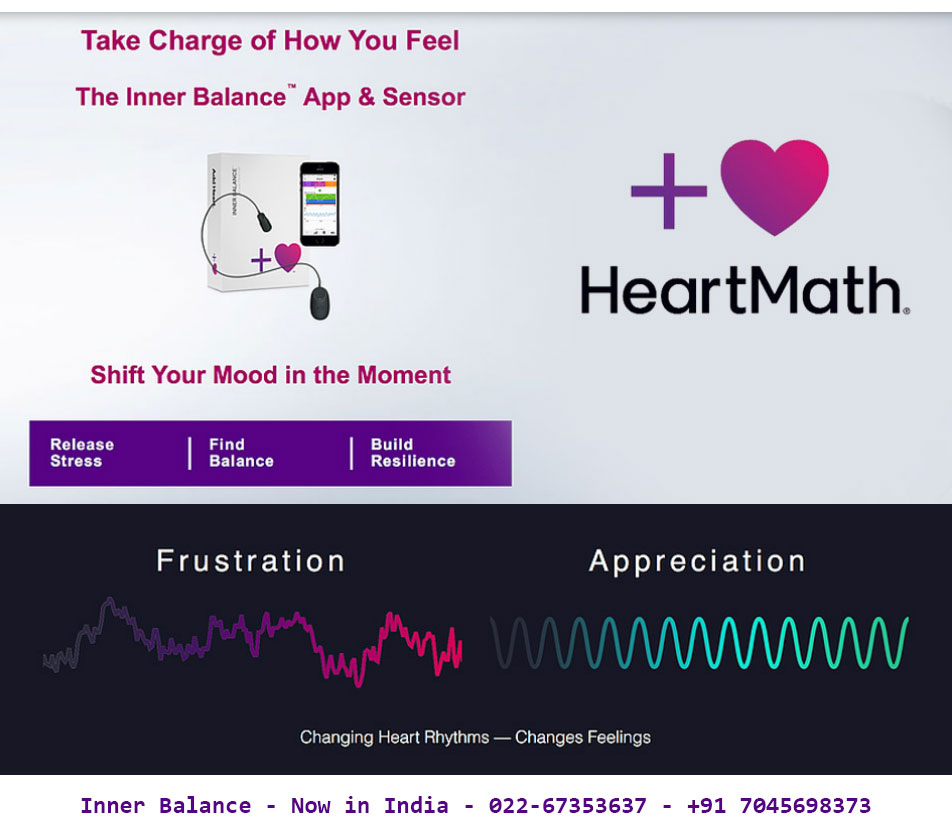
Measuring heart coherence is made easy with HeartMath devices, which provide real-time feedback on HRV and coherence levels. These devices, such as the Inner Balance and emWave, are designed to be user-friendly, allowing individuals to track and improve their coherence scores effectively.
Steps to Measure Heart Coherence:
- Choose a HeartMath Device: Select a device that suits your needs, whether it’s the portable Inner Balance or the desktop emWave.
- Connect the Sensor: Attach the sensor to your earlobe or finger to monitor your heart rhythms.
- Start a Session: Use the accompanying app or software to begin a coherence session. Follow the on-screen prompts to guide your breathing and focus.
- Monitor Feedback: Observe your coherence score and heart rhythm patterns in real-time. Adjust your breathing and focus to enhance coherence.
- Review Progress: After each session, review your scores and trends to track improvements over time.
HeartMath devices not only measure coherence but also offer coaching and guided practices to help users achieve higher coherence levels. By integrating these devices into daily routines, individuals can develop a deeper awareness of their emotional states and improve overall well-being.
Techniques to Achieve Heart Coherence
Achieving heart coherence involves simple yet effective techniques that can be practiced anywhere. These techniques focus on breathing, focusing, and emotional regulation, helping individuals enter a coherent state.
Techniques to Practice:
- Heart-Focused Breathing: Focus your attention on the heart area and breathe slowly and deeply. This calms the nervous system and promotes a coherent heart rhythm.
- Quick Coherence Technique:
- Step 1: Focus on the heart and breathe in a relaxed manner.
- Step 2: Activate a positive emotion, such as appreciation or gratitude.
- Step 3: Sustain this feeling to maintain coherence.
- Inner Ease Technique: Use when feeling overwhelmed:
- Step 1: Pause and breathe deeply.
- Step 2: Imagine a feeling of ease spreading through your body.
- Step 3: Focus on your heart and sustain this feeling.
Regularly practicing these techniques enhances our ability to maintain coherence, leading to improved emotional regulation and resilience in daily life.
Benefits of Practicing Heart Coherence
The benefits of practicing heart coherence are extensive, impacting both mental and physical health. By regularly entering a coherent state, we can experience a host of positive changes.
Key Benefits:
- Stress Reduction: Coherence practices lower stress hormones, promoting relaxation and reducing anxiety.
- Improved Emotional Health: Enhanced emotional regulation leads to better mood, reduced reactivity, and increased resilience.
- Cognitive Enhancement: Coherence boosts cognitive functions like memory, focus, and problem-solving skills.
- Physical Health: Improved heart health, immune function, and hormonal balance are direct results of sustained coherence.
- Enhanced Relationships: By fostering a calm and positive demeanor, coherence practices improve interpersonal interactions and communication.
These benefits highlight the transformative power of heart coherence, making it an invaluable tool for enhancing overall life quality.
Real-Life Applications of Heart Coherence in Daily Life
Heart coherence is not just a practice; it’s a lifestyle that can be seamlessly integrated into daily routines. By incorporating coherence techniques into various aspects of life, we can enhance our well-being and productivity.
Everyday Applications:
- Morning Routine: Start your day with a coherence session to set a positive tone and increase resilience to stress.
- Work Environment: Use quick coherence techniques to manage stress and improve focus during challenging tasks or meetings.
- Relationships: Practice coherence before engaging in difficult conversations to promote understanding and empathy.
- Physical Activity: Enhance workouts with coherence breathing to improve performance and recovery.
- Evening Relaxation: End your day with a calming coherence practice to ensure restful sleep and emotional balance.
By embedding coherence into these daily activities, we can create a life that is not only productive but also fulfilling and harmonious.
Overview of HeartMath Devices and Their Features
HeartMath offers a range of devices designed to help individuals achieve and maintain heart coherence. These devices provide real-time feedback and personalized coaching to enhance the coherence experience.
HeartMath Devices:
- Inner Balance:
- Features: Portable device with Bluetooth connectivity, real-time coherence feedback, guided meditations.
- Benefits: Easy to use, suitable for on-the-go practice, ideal for personal use.
- emWave Pro:
- Features: Desktop device with advanced analytics, multi-user capability, comprehensive training modules.
- Benefits: In-depth analysis of HRV patterns, suitable for both personal and professional settings.
- emWave2:
- Features: Portable and desktop functionality, USB connectivity, interactive games for coherence training.
- Benefits: Versatile use, ideal for beginners and advanced users alike.
These devices empower users to take control of their emotional and physical health, providing the tools necessary to achieve lasting coherence.
Conclusion: Embracing Heart Coherence for Overall Well-Being
Heart coherence is a powerful practice that fosters unity between the heart, mind, and emotions, leading to profound emotional and physical health benefits. By understanding and utilizing HeartMath’s tools and techniques, we can navigate life’s challenges with grace and resilience.
Incorporating heart coherence into our daily lives is a journey worth embarking on. Whether you’re seeking stress reduction, emotional stability, or improved physical health, the practice of heart coherence offers a holistic approach to achieving these goals.
Ready to Transform Your Life?
Embrace heart coherence today and unlock the potential for a healthier, more fulfilling life. Explore HeartMath devices and techniques to begin your journey towards improved well-being. Start now and take the first step towards a harmonious and balanced life.

