What is the HeartMath Technique?
The HeartMath technique is an innovative approach designed to foster emotional resilience and enhance overall well-being. It revolves around the concept of heart-brain coherence, where the heart and brain work in sync, promoting harmony within the body. As practitioners of HeartMath, we focus on managing our emotional responses through specific breathing techniques and mental focus, which leads to a balanced physiological state.
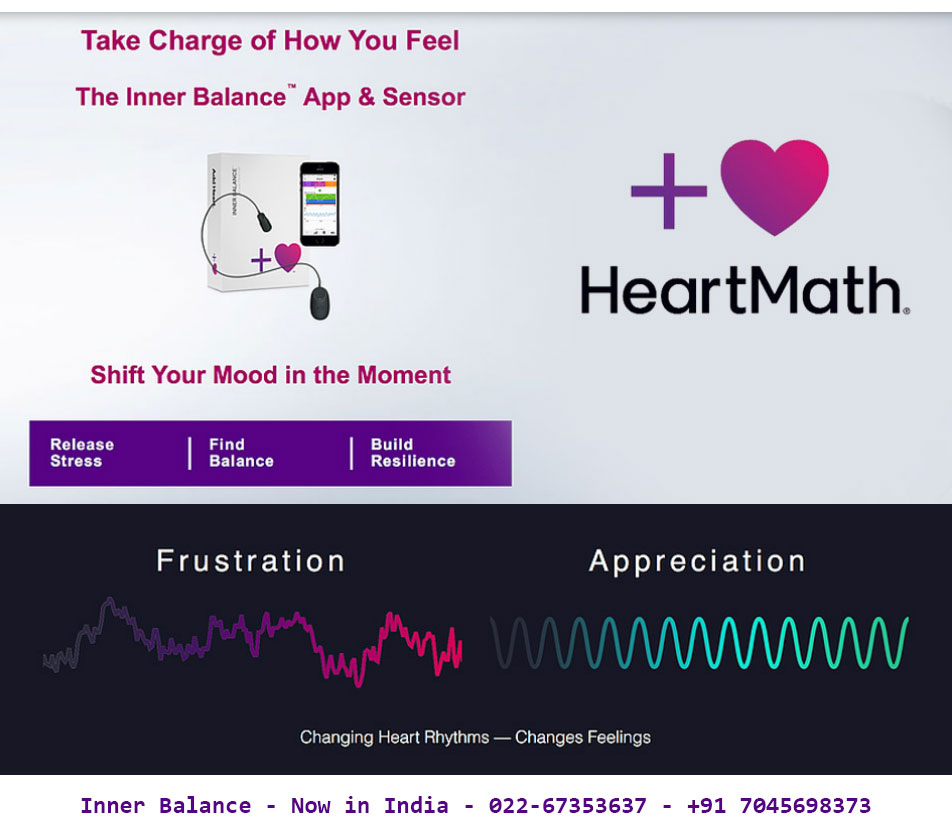
At the core of the HeartMath technique is the ability to shift our emotions from negative states, such as anxiety or frustration, to more positive ones like appreciation and calmness. This transition is achieved through simple exercises that involve deep breathing and visualization, allowing us to regain control over our emotional state. By practicing these techniques, we can improve our emotional intelligence, leading to better decision-making and more meaningful interactions with others.
Incorporating the HeartMath technique into our daily lives can lead to profound changes. It encourages us to become more aware of our emotional triggers and equips us with tools to address them effectively. As we practice these techniques, we build resilience against stress and develop a greater sense of inner peace.
The Science Behind the HeartMath Technique
The HeartMath technique is supported by a wealth of scientific research that underscores its effectiveness. The concept of heart-brain coherence is central to this approach. Scientific studies have shown that the heart sends more signals to the brain than the brain sends to the heart, highlighting the heart’s significant role in influencing our cognitive and emotional states.
Researchers have discovered that when we experience positive emotions, our heart’s rhythmic patterns become more coherent and ordered. This coherent heart rhythm is associated with improved cognitive function, emotional stability, and enhanced physical health. The HeartMath technique leverages this understanding by teaching us how to intentionally create a state of coherence through specific exercises.
Moreover, the HeartMath Institute has conducted extensive research demonstrating the physiological benefits of heart-brain coherence. These studies reveal that practicing HeartMath techniques can reduce stress hormones, lower blood pressure, and improve immune function. By fostering a harmonious connection between the heart and brain, we can achieve a state of optimal health and well-being.
Benefits of Practicing HeartMath
Engaging in the HeartMath technique offers a multitude of benefits that extend beyond emotional resilience. One of the primary advantages is stress reduction. By learning to regulate our emotions, we can effectively manage stress levels, resulting in improved mental clarity and enhanced problem-solving abilities. This, in turn, leads to a more balanced and fulfilling life.
Another significant benefit of the HeartMath technique is enhanced emotional intelligence. As we become more attuned to our emotional responses, we develop a deeper understanding of our own feelings and the emotions of others. This heightened emotional awareness fosters better communication and relationships, both personally and professionally.
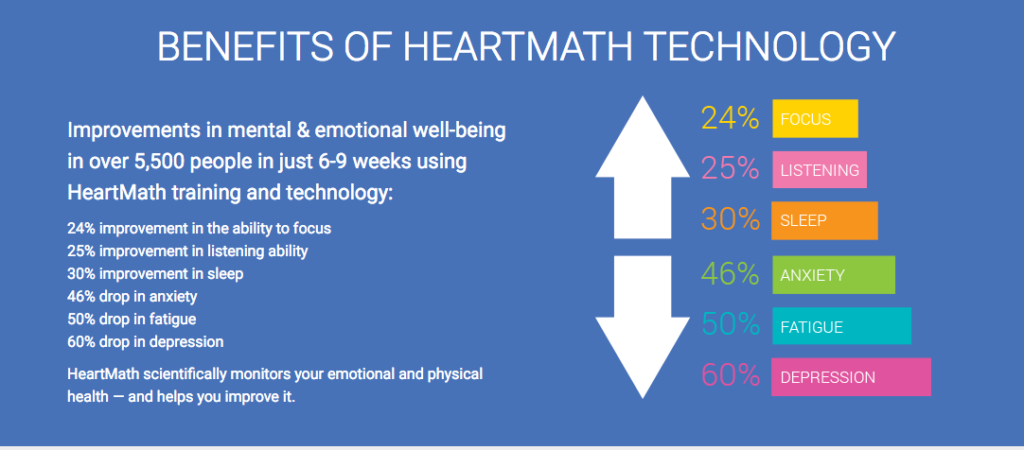
In addition to emotional benefits, practicing HeartMath can also lead to physical health improvements. Research has shown that heart-brain coherence positively impacts cardiovascular health, immune function, and even sleep quality. By adopting this technique, we not only nurture our emotional well-being but also support our body’s overall health and vitality.
How the HeartMath Technique Enhances Emotional Resilience
Emotional resilience is the ability to bounce back from adversity and cope with challenges effectively. The HeartMath technique plays a pivotal role in enhancing this resilience by equipping us with tools to manage our emotional responses. By practicing coherence-building exercises, we learn to shift our focus from negative emotions to more positive and constructive states.
One of the key components of building emotional resilience through HeartMath is the ability to self-regulate. This involves recognizing when we are in a state of emotional imbalance and using specific techniques to restore coherence. By consistently practicing these skills, we develop a greater capacity to handle stress and adversity with grace and composure.
Moreover, the HeartMath technique encourages us to cultivate positive emotions such as gratitude, compassion, and appreciation. These emotions have been shown to increase resilience by strengthening our psychological well-being and enhancing our ability to cope with difficult situations. As we integrate these practices into our lives, we build a robust foundation for emotional resilience.
Understanding HeartMath Devices and Sensors
To maximize the benefits of the HeartMath technique, various devices and sensors have been developed to assist practitioners in achieving and maintaining heart-brain coherence. These tools provide real-time feedback on our physiological state, allowing us to monitor our progress and make necessary adjustments to our practice.
The HeartMath device, known as the Inner Balance sensor, is a popular tool used by many practitioners. It connects to a smartphone app and provides visual and auditory feedback on our heart rhythm coherence. By using this device, we can track our progress over time and identify patterns that may be affecting our emotional state.
In addition to the Inner Balance sensor, HeartMath also offers the emWave device. This portable tool provides feedback through a built-in display, making it convenient for on-the-go practice. Both devices are designed to help us achieve and maintain a state of coherence, enhancing the overall effectiveness of the HeartMath technique.
How to Use the HeartMath Sensor for Effective Practice
Using the HeartMath sensor effectively requires a basic understanding of its features and functionalities. To begin, we need to attach the sensor to our earlobe or use the finger sensor to measure our heart rate variability. This data is then transmitted to the accompanying app or device, which provides real-time feedback on our coherence level.
Once the sensor is set up, we can start practicing HeartMath techniques by focusing on our breath and generating positive emotions. The app or device will guide us through exercises designed to promote heart-brain coherence. By following these prompts, we can gradually build our ability to maintain coherence even in challenging situations.
Consistency is key when using the HeartMath sensor. Regular practice allows us to develop a deeper understanding of our physiological responses and refine our ability to achieve coherence. Over time, we can incorporate these practices into our daily routine, leading to lasting improvements in our emotional resilience and overall well-being.
HeartMath Techniques for Stress Management
Stress management is a critical aspect of modern life, and the HeartMath technique offers practical solutions for alleviating stress. By focusing on heart-brain coherence, we can reduce the physiological effects of stress and promote a sense of calm and balance. This involves using specific breathing techniques and mental focus to shift our emotional state.
One effective HeartMath technique for stress management is the Quick Coherence technique. This exercise involves focusing on the heart area, regulating our breathing, and generating a positive emotion such as appreciation or care. By practicing this technique regularly, we can quickly shift from a state of stress to one of coherence, promoting relaxation and clarity.
Another valuable technique is the Freeze Frame exercise. When faced with a stressful situation, we can use this technique to pause, focus on our heart, and ask ourselves what the best course of action is. By accessing our heart’s intelligence, we can make more informed and balanced decisions, reducing the impact of stress on our lives.
Success Stories: Transformative Effects of HeartMath
Numerous individuals have experienced transformative effects from practicing the HeartMath technique. These success stories highlight the profound impact that heart-brain coherence can have on our emotional resilience and overall well-being. By sharing these experiences, we can inspire others to explore the benefits of HeartMath for themselves.
In one case, a corporate executive struggled with chronic stress and burnout. After incorporating HeartMath techniques into their daily routine, they reported significant improvements in their stress levels and overall job satisfaction. By learning to regulate their emotions and achieve coherence, they were able to approach challenges with a clearer mind and renewed energy.
Another success story involves a student who faced anxiety and academic pressure. Through consistent practice of HeartMath techniques, they developed greater emotional resilience and improved focus, leading to better academic performance. These stories demonstrate the versatility of the HeartMath technique in addressing various challenges and enhancing quality of life.
HeartMath Resources and Courses for Beginners
For those new to the HeartMath technique, a wealth of resources and courses are available to guide you on your journey. The HeartMath Institute offers a variety of educational materials, including books, webinars, and online courses, designed to help beginners understand and apply the principles of heart-brain coherence.
One popular resource is the HeartMath Experience, an online course that introduces participants to the foundational concepts and techniques of HeartMath. This course provides step-by-step instructions and practical exercises to help you develop coherence and emotional resilience. It is an excellent starting point for anyone interested in exploring the benefits of HeartMath.
In addition to formal courses, the HeartMath Institute also offers free resources, such as articles and videos, to support your practice. These materials provide valuable insights into the science and application of heart-brain coherence, making it easier for beginners to integrate HeartMath techniques into their daily lives.
Conclusion: Embracing HeartMath for a Healthier Life
In conclusion, the HeartMath technique is a powerful tool for unlocking emotional resilience and enhancing overall well-being. By understanding the science behind heart-brain coherence and practicing specific techniques, we can improve our emotional intelligence, manage stress effectively, and promote optimal health.
As we embrace the HeartMath technique, we empower ourselves to navigate life’s challenges with greater ease and confidence. By cultivating positive emotions and achieving coherence, we can create a more balanced and fulfilling life. Whether you are new to HeartMath or an experienced practitioner, there is always room to deepen your practice and experience the transformative effects of heart-brain coherence.
Call to Action
If you’re ready to unlock the benefits of the HeartMath technique, I encourage you to explore the resources and courses offered by the HeartMath Institute. Begin your journey towards emotional resilience and well-being today. Discover the power of heart-brain coherence and embrace a healthier, more balanced life.