Introduction to HeartMath: Understanding the Basics
In today’s fast-paced world, stress is an unwelcome but common companion for many of us. As we seek effective ways to manage stress and improve our emotional well-being, HeartMath emerges as a promising method. But what exactly is HeartMath? At its core, HeartMath is a system designed to help individuals regulate their emotional responses and reduce stress through techniques that focus on heart-brain coherence. Founded by the HeartMath Institute, this approach combines scientific research with practical tools to enhance emotional resilience and balance in our daily lives.
The HeartMath system revolves around the concept of heart coherence, which refers to a harmonious interaction between the heart, mind, and emotions. This coherence is believed to foster improved emotional, mental, and physical performance. The techniques include specific breathing exercises, guided meditations, and the use of biofeedback technology to monitor heart rhythms. By practicing these techniques, individuals can learn to shift their emotional states and improve their overall well-being.
As we delve deeper into the world of HeartMath, it’s important to understand its foundation and methodology. Developed over decades of research, the system is based on the premise that our heart rhythms reflect our emotional states and that we can influence these rhythms to achieve a more balanced emotional state. By learning to regulate our heart rhythms, we can better manage stress, improve cognitive function, and enhance our emotional health.
The Science Behind HeartMath: How It Works
The scientific principles underlying HeartMath are both intriguing and robust. Central to this system is the concept of heart rate variability (HRV), which measures the variation in time between heartbeats. HRV is a crucial indicator of the autonomic nervous system’s balance and adaptability. A higher HRV is associated with better physical and emotional health, whereas a lower HRV can indicate stress or anxiety.
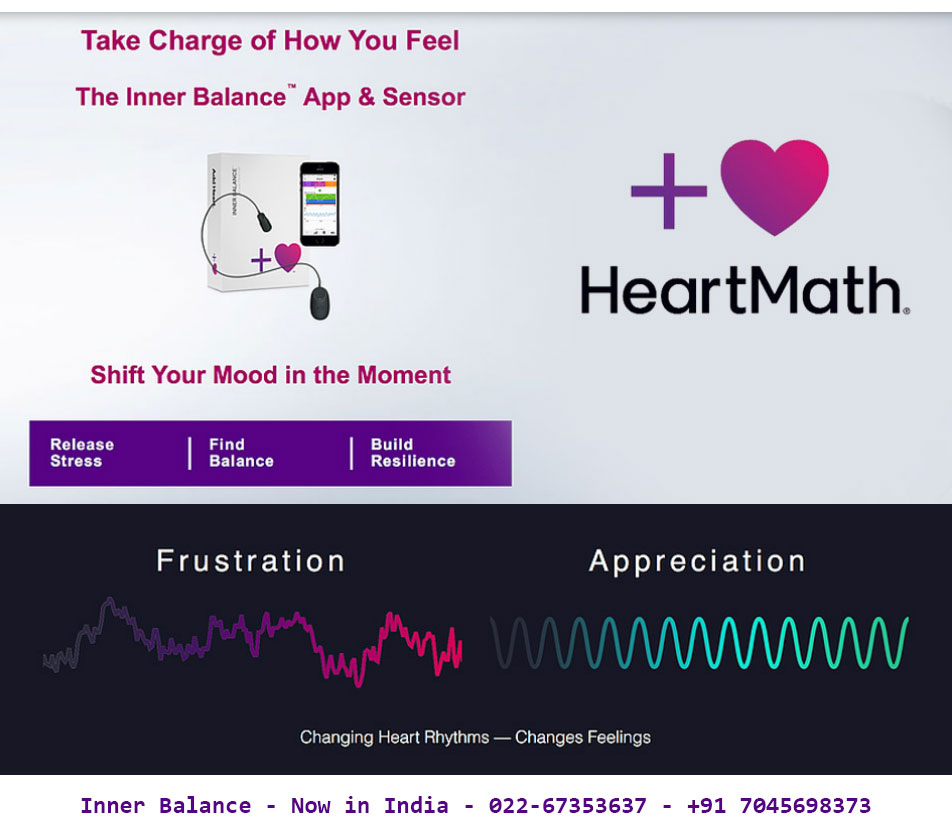
HeartMath techniques aim to increase HRV by promoting heart coherence. When we experience positive emotions, such as appreciation or love, our heart rhythms become more ordered and coherent. This coherence has a beneficial impact on our brain function, enhancing our ability to think clearly, make decisions, and maintain composure under pressure. The HeartMath Institute has conducted numerous studies demonstrating the physiological and psychological benefits of achieving heart coherence through their techniques.
One of the tools used in HeartMath is biofeedback technology, which provides real-time data on heart rhythms. This feedback allows individuals to see the immediate effects of their emotional states on their heart coherence, enabling them to adjust their techniques for optimal results. By regularly practicing these techniques, users can train their bodies to maintain coherence, even in stressful situations, thereby improving their overall resilience to stress.
Is HeartMath Effective for Stress Relief?
The question “Is HeartMath effective for stress relief?” is central to understanding its value. Numerous studies and anecdotal evidence suggest that HeartMath can significantly reduce stress levels and improve emotional well-being. Participants in HeartMath programs often report feeling calmer, more focused, and better able to handle daily challenges.
One study published in the “American Journal of Cardiology” found that practicing HeartMath techniques led to a significant reduction in stress and anxiety levels among participants. This was accompanied by improvements in sleep quality, energy levels, and overall life satisfaction. The positive impact of HeartMath on stress relief is attributed to the system’s ability to promote heart coherence, which in turn fosters a more balanced emotional state.
Moreover, the HeartMath Institute has documented numerous success stories from individuals who have integrated these techniques into their lives. From professionals managing workplace stress to students coping with academic pressures, many have found that HeartMath provides them with practical tools to maintain emotional stability and resilience. The effectiveness of HeartMath for stress relief lies in its ability to empower individuals to take control of their emotional responses and enhance their overall quality of life.
Emotional Well-being and HeartMath: A Closer Look
When considering emotional well-being, HeartMath offers a unique approach to fostering positive emotional states. By emphasizing heart coherence, individuals can experience a profound shift in their emotional landscape. This shift not only reduces stress but also promotes feelings of joy, gratitude, and inner peace.
HeartMath techniques encourage individuals to focus on positive emotions, which have been shown to enhance emotional resilience. By regularly practicing these techniques, individuals can develop a greater awareness of their emotional triggers and learn to respond to them in healthier ways. This improved emotional intelligence can lead to better relationships, increased empathy, and a more compassionate outlook on life.
Additionally, the benefits of HeartMath extend beyond individual emotional well-being. Many practitioners report that their improved emotional states positively impact their interactions with others, creating a ripple effect of positivity in their personal and professional lives. This broader impact underscores the potential of HeartMath as a tool for enhancing both individual and collective well-being.
Is HeartMath Worth It? Evaluating the Benefits
As we evaluate the question, “Is HeartMath worth it?” we must consider the tangible benefits it offers. For many, the investment in time and resources is justified by the substantial improvements in stress management and emotional health. The ability to quickly shift from stress to calmness, enhanced focus, and improved decision-making skills are just a few of the advantages reported by HeartMath users.
The cost of HeartMath tools and programs varies, but many find that the long-term benefits outweigh the initial investment. The potential for improved health, increased productivity, and a more balanced emotional state make HeartMath an attractive option for those seeking effective stress relief solutions. Furthermore, the flexibility of the techniques allows individuals to incorporate them into their daily routines without significant time commitments, making it accessible for busy lifestyles.
To determine if HeartMath is worth it, individuals should consider their personal goals and needs. For those seeking a scientifically validated approach to stress reduction and emotional well-being, HeartMath offers a comprehensive and practical solution. By investing in this system, individuals can take proactive steps towards improving their overall quality of life, making it a worthwhile consideration for many.
How Long Does It Take to See Results with HeartMath?
One of the common questions about HeartMath is, “How long does it take to see results with HeartMath?” The answer can vary depending on individual factors such as commitment, consistency, and existing stress levels. However, many users report noticeable improvements in their emotional well-being and stress levels within just a few weeks of regular practice.
The effectiveness of HeartMath techniques can be enhanced by incorporating them into daily routines. Even short sessions of practice can yield significant benefits over time. Some individuals experience immediate calming effects, while others may require several weeks to fully integrate the techniques and achieve consistent heart coherence. The key is consistency and dedication to the practice.
To maximize the benefits of HeartMath, individuals are encouraged to set realistic expectations and establish a regular routine. By committing to daily practice, users can gradually build their ability to maintain heart coherence, leading to lasting improvements in stress management and emotional health. The journey with HeartMath is personal, and the timeline for seeing results may vary, but the potential rewards make it a worthwhile endeavor.
Real-Life Success Stories: Testimonials and Experiences
Real-life success stories provide valuable insights into the impact of HeartMath on individuals’ lives. Testimonials from users across various backgrounds highlight the transformative power of this system. From busy professionals to students and retirees, people from all walks of life have experienced the positive effects of HeartMath.
One testimonial comes from a corporate executive who struggled with chronic stress and burnout. After incorporating HeartMath techniques into her daily routine, she reported feeling more focused, energized, and better equipped to handle workplace challenges. Her improved emotional resilience also positively impacted her relationships with colleagues and family members.
Another inspiring story is that of a college student who used HeartMath to manage academic stress and improve focus. By practicing heart coherence techniques before exams and presentations, he was able to reduce anxiety and enhance his performance. These testimonials underscore the versatility and effectiveness of HeartMath in addressing a wide range of stress-related challenges.
Comparing HeartMath with Other Stress Relief Techniques
When comparing HeartMath with other stress relief techniques, several unique aspects set it apart. Unlike traditional methods that focus solely on the mind, HeartMath emphasizes the connection between the heart and the brain, offering a holistic approach to stress management. This focus on heart coherence distinguishes it from other techniques that may not address the physiological aspects of stress.
While mindfulness meditation and deep breathing exercises are popular stress relief methods, HeartMath combines these practices with biofeedback technology to provide real-time insights into heart rhythms. This feedback allows individuals to tailor their techniques for optimal results, making HeartMath a data-driven approach to stress management.
Incorporating HeartMath into a broader stress management strategy can enhance its effectiveness. By complementing other techniques such as yoga, exercise, or therapy, individuals can create a comprehensive plan for managing stress and improving emotional well-being. The unique attributes of HeartMath make it a valuable addition to any stress relief toolkit.
Incorporating HeartMath into Your Daily Routine
Integrating HeartMath into your daily routine can be a seamless process with significant benefits. To start, consider setting aside a few minutes each day for HeartMath practice. This could involve using breathing techniques, guided meditations, or biofeedback tools to promote heart coherence.
Creating a dedicated space for HeartMath practice can also enhance its effectiveness. Whether it’s a quiet corner in your home or a comfortable spot in the office, having a designated area can help signal your brain that it’s time to relax and focus on heart coherence. Consistency is key, so try to practice at the same time each day to establish a routine.
For those with busy schedules, incorporating HeartMath into daily activities can be an effective strategy. Practice heart coherence techniques during your morning commute, lunch break, or before bed to maximize their benefits. By making HeartMath a regular part of your day, you can gradually build emotional resilience and improve your overall quality of life.
Conclusion: The Future of HeartMath in Stress Management
In conclusion, the potential of HeartMath in stress management and emotional well-being is promising. As more individuals seek effective ways to cope with stress, HeartMath offers a scientifically validated approach that empowers users to take charge of their emotional health. Its unique focus on heart coherence, combined with practical techniques and biofeedback technology, makes it a valuable tool for enhancing emotional resilience.
The future of HeartMath in stress management looks bright, with ongoing research and development aimed at expanding its applications and accessibility. As we continue to navigate the challenges of modern life, HeartMath provides a pathway to improved well-being and a greater sense of balance.
If you’re interested in exploring the benefits of HeartMath for yourself, consider reaching out to the HeartMath Institute or visiting their website for more information. By taking the first step towards incorporating HeartMath into your life, you can unlock the potential for a healthier, more balanced future.
Call to Action: Are you ready to discover the benefits of HeartMath for yourself? Visit the HeartMath Institute’s website to learn more about their programs and tools. Embrace the journey towards improved emotional well-being and stress relief today!

