Understanding HeartMath: An Overview
HeartMath is a term that might be unfamiliar to some, yet it represents a fascinating intersection of science and personal development. Initially, HeartMath was established to explore and promote the connections between the heart and mind. This system is designed to help individuals manage stress, enhance resilience, and improve emotional well-being through scientifically validated techniques.
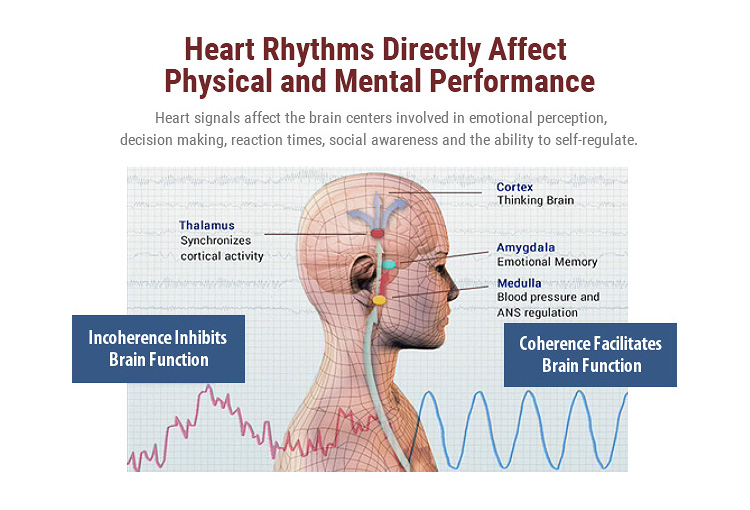
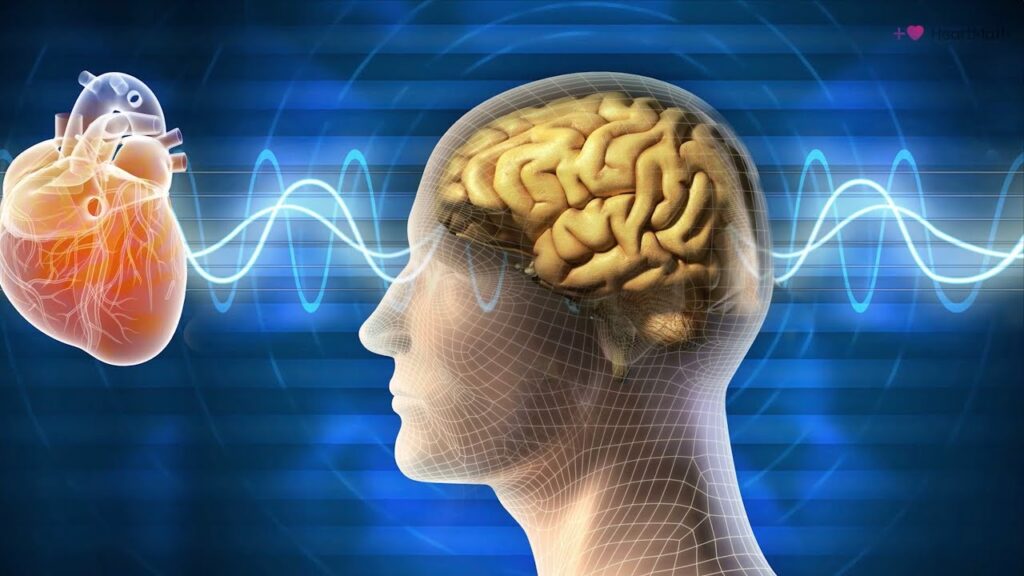
The core concept of HeartMath revolves around the idea that the heart and brain are in constant communication, and this interaction can significantly impact our emotions and overall health. By learning to control this communication, we can influence our mental and emotional states positively. HeartMath techniques often involve focusing on heart rhythms and utilizing biofeedback to achieve a state of coherence—a harmonious alignment between heart, mind, and emotions.
HeartMath’s methods are not just theoretical; they have practical applications for daily life. Techniques such as the Quick Coherence Technique and Freeze Frame are designed to help people quickly reduce stress and improve focus. The idea is to create a sense of inner balance and calm that can lead to better decision-making and enhanced personal performance. Understanding these foundations is crucial as we delve deeper into the science that supports HeartMath.
The Science Behind HeartMath: Key Concepts Explained
At the heart of HeartMath lies the concept of heart rate variability (HRV), which refers to the variations in time between each heartbeat. HRV is an important physiological marker that reflects how well the autonomic nervous system (ANS) is functioning. A higher HRV is often associated with better health, resilience, and a greater ability to handle stress.
HRV is not just a random fluctuation; it is influenced by our emotions, thoughts, and physical state. HeartMath techniques focus on increasing HRV coherence, which is a state where the heart, brain, and emotions are aligned, leading to optimal performance and emotional stability. This coherence can be measured using biofeedback devices, providing real-time data on how our practices are affecting our physiological state.
The science of HeartMath goes beyond just measuring HRV. It involves understanding the electromagnetic field generated by the heart, which is believed to affect those around us and even our own emotional states. This field can be influenced by our emotions, and achieving emotional coherence can enhance this field’s positive effects. The integration of these scientific principles into practical tools is what makes HeartMath unique and intriguing.
Is HeartMath Scientific? A Critical Analysis
The question “Is HeartMath scientific?” often arises among those exploring its methods. To address this, we must consider whether its claims are supported by empirical evidence and scientific research. HeartMath claims to be grounded in science, particularly in the fields of psychophysiology and neurocardiology.
Several studies have explored the physiological effects of HeartMath techniques, often demonstrating improvements in HRV and emotional states. These studies support the notion that HeartMath practices can positively influence health and well-being. However, it’s important to critically evaluate the quality of these studies, including their methodologies and sample sizes, to determine their validity.
Critics argue that while HeartMath’s concepts are intriguing, more rigorous scientific validation is needed to establish its efficacy fully. It’s essential for continued research to explore the long-term effects of HeartMath practices and their applicability across diverse populations. Nonetheless, the existing body of research provides a promising foundation for the scientific exploration of HeartMath.
The HeartMath Inner Balance App: Features and Benefits
The HeartMath Inner Balance app is a tool designed to help users practice HeartMath techniques easily and effectively. This app is compatible with mobile devices and works alongside an HRV sensor to provide real-time feedback on heart coherence. By using this app, individuals can track their progress, set goals, and improve their emotional and physiological balance.
One of the standout features of the HeartMath Inner Balance app is its user-friendly interface, which makes it accessible for people of all ages. The app offers guided sessions that teach users how to achieve coherence and reduce stress. These sessions are tailored to address various aspects of life, from work-related stress to personal relationships.
The benefits of using the Inner Balance app extend beyond stress reduction. Users often report improved focus, increased energy, and a greater sense of calm. By integrating this tool into daily routines, individuals can cultivate a habit of emotional regulation and resilience. The app is a practical representation of HeartMath’s scientific principles, bringing them into the hands of anyone seeking balance and harmony.
Exploring the HeartMath emWave2: Technology and Usage
The HeartMath emWave2 is another pivotal tool in the HeartMath suite, designed to provide portable biofeedback for users interested in improving their HRV coherence. This handheld device measures HRV and provides visual and auditory cues to help users adjust their breathing and thought patterns to achieve coherence.
The emWave2 is equipped with sensors that detect pulse data from the fingertip or earlobe, translating this information into visual feedback. The feedback helps users become more aware of their physiological state and guides them towards achieving coherence. The device is portable, making it convenient for use at home, in the office, or on the go.
Using the emWave2 involves regular practice of HeartMath techniques, allowing users to condition their bodies and minds to respond more effectively to stressors. Many users have found that consistent use of the device leads to improved emotional resilience and reduced anxiety. By providing tangible data and feedback, the emWave2 makes the science of HeartMath accessible and applicable to everyday life.
Research Studies Supporting HeartMath Practices
HeartMath’s techniques are supported by a growing body of research that highlights their potential benefits. Numerous studies have examined the effects of HeartMath practices on stress reduction, emotional regulation, and overall well-being. These studies often use HRV as a primary measure, given its significance in assessing autonomic nervous system function.
For instance, research has shown that individuals who practice HeartMath techniques regularly demonstrate increased HRV coherence, improved mood, and reduced stress levels. These findings suggest that HeartMath can be an effective tool for enhancing emotional and physiological health. Furthermore, studies have explored the impact of HeartMath on specific populations, such as healthcare professionals and students, with promising results.
Despite these positive findings, it is essential to approach HeartMath research with a critical eye. Some studies may have limitations, such as small sample sizes or lack of control groups. Continued research is necessary to establish the efficacy of HeartMath practices across different contexts and populations. Nevertheless, the existing research offers a compelling case for the potential of HeartMath to improve well-being.
The Role of Coherence in HeartMath Techniques
Coherence is a central concept in HeartMath, referring to a state where the heart, mind, and emotions are in harmonious alignment. Achieving coherence is believed to have numerous benefits, including enhanced cognitive function, emotional stability, and improved health. HeartMath techniques are specifically designed to help individuals attain this state of coherence.
To achieve coherence, HeartMath emphasizes the importance of focused breathing and positive emotional states. Techniques such as Heart-Focused Breathing encourage individuals to concentrate on their heart area while breathing rhythmically, promoting a sense of calm and balance. This practice, when combined with positive emotions like gratitude or appreciation, can significantly enhance coherence.
The role of coherence in HeartMath is supported by scientific findings that demonstrate its impact on HRV and overall well-being. Coherence is not just a theoretical concept; it is a measurable state that can be cultivated through practice. By achieving coherence, individuals can experience greater emotional resilience, improved focus, and a deeper sense of connection with themselves and others.
Potential Benefits of HeartMath for Mental and Emotional Well-being
HeartMath offers a range of potential benefits for mental and emotional well-being. By focusing on heart coherence, individuals can experience reduced stress, improved mood, and enhanced emotional regulation. These benefits are not only valuable in managing daily challenges but also in fostering long-term personal growth.
One of the key benefits of HeartMath is its ability to reduce stress and anxiety. By practicing techniques that promote coherence, individuals can lower their stress levels and respond more effectively to challenging situations. This stress reduction can lead to improved mental clarity, better decision-making, and enhanced overall well-being.
In addition to stress reduction, HeartMath can improve emotional resilience. By regularly practicing HeartMath techniques, individuals can build their capacity to bounce back from adversity and maintain a positive outlook. This resilience is crucial for navigating life’s ups and downs and can lead to a more fulfilling and balanced life.
HeartMath Practices: How to Incorporate Them into Your Life
Incorporating HeartMath practices into daily life can be a transformative journey towards improved health and well-being. The first step is understanding the techniques and committing to regular practice. Start by setting aside a few minutes each day to engage in Heart-Focused Breathing or the Quick Coherence Technique.
Consistency is key when it comes to HeartMath practices. To fully benefit from these techniques, it’s important to make them a regular part of your routine. Consider integrating them into your morning or evening rituals, or use them as a tool to manage stress during the day. The more you practice, the more natural and effective these techniques will become.
To enhance your practice, consider using tools like the HeartMath Inner Balance app or emWave2 device. These tools provide real-time feedback and guidance, helping you track your progress and stay motivated. By committing to regular practice and utilizing these resources, you can experience the full potential of HeartMath for your mental and emotional well-being.
Conclusion: Evaluating the Validity of HeartMath
In conclusion, HeartMath presents a compelling blend of science and personal development, offering techniques that can enhance mental and emotional well-being. While the question “Is HeartMath scientific?” invites critical analysis, the existing research provides a promising foundation for its efficacy. HeartMath’s focus on HRV coherence and emotional regulation offers valuable tools for managing stress and improving resilience.
The HeartMath Inner Balance app and emWave2 device are practical tools that bring HeartMath’s scientific principles to life. By incorporating these into daily routines, individuals can cultivate a habit of coherence and experience the numerous benefits associated with HeartMath practices. Continued research and practice will further illuminate the potential of HeartMath to enhance well-being across diverse populations.
As we explore the science behind HeartMath, it becomes clear that its techniques hold significant promise for improving our mental and emotional health. Whether you’re new to HeartMath or an experienced practitioner, I encourage you to delve deeper into its methods and discover how they can transform your life. Start your HeartMath journey today by exploring the Inner Balance app or emWave2 device and experience the difference for yourself.