Understanding HeartMath: What is it and How Does it Work?
HeartMath is a transformative approach that focuses on enhancing emotional and mental well-being through heart-focused breathing techniques and biofeedback technology. It is designed to help individuals regulate their emotional responses, improve health, and increase resilience. The core idea is to bring the heart, mind, and emotions into harmony, which can be measured through the coherence of heart rhythms.
HeartMath involves using specific techniques such as the Quick Coherence Technique, which combines breathing and positive emotions to create physiological coherence. This state is characterized by smooth, orderly heart rhythms that reflect a balanced and synchronized interaction between the heart and brain. The practice can be done with or without technological devices, although devices like the Inner Balance sensor can provide real-time feedback on heart rate variability (HRV) and coherence levels.
For beginners, HeartMath may seem complex, but it is accessible to anyone willing to invest time in learning the techniques. As you practice, you’ll begin to notice improvements in your overall well-being, stress levels, and emotional balance. The simplicity of the exercises, combined with the potential for profound benefits, makes HeartMath an attractive option for those seeking emotional and physical health enhancements.
The Science Behind HeartMath: Benefits for Mental and Emotional Health
The scientific foundation of HeartMath is built on decades of research exploring the connection between heart rhythms and emotional states. When we experience stress, frustration, or anxiety, our heart rhythms become erratic and disordered. In contrast, positive emotions such as appreciation, love, and compassion create smooth, coherent heart rhythms that promote optimal functioning of the brain and body.
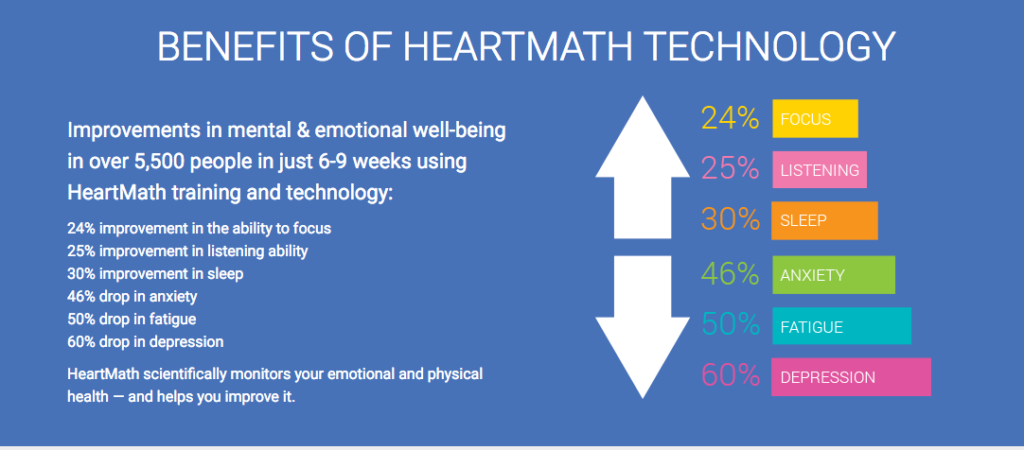
Studies have shown that practicing HeartMath techniques can lead to significant improvements in mental and emotional health. Participants report reductions in anxiety, depression, and stress levels, as well as increases in emotional clarity and resilience. This is attributed to the increase in heart coherence, which enhances cognitive functions, emotional regulation, and overall psychological well-being.
The benefits of HeartMath extend beyond mental health, impacting physical health as well. Coherent heart rhythms have been linked to improved immune function, better blood pressure regulation, and enhanced hormonal balance. As the heart and brain work in harmony, individuals experience a more balanced and fulfilling life, both mentally and physically.
How Often Should You Do HeartMath for Optimal Results?
Determining how often to practice HeartMath for optimal results can depend on individual goals and lifestyle. However, as a general guideline, practicing HeartMath for at least 10 to 15 minutes daily can offer substantial benefits. Consistency is key; regular practice helps reinforce the neural pathways associated with heart coherence, making it easier to access this state during stressful situations.
For those just beginning, it’s advisable to start with short, manageable sessions and gradually increase the duration as comfort with the techniques grows. Some may find benefit in practicing several times a day, especially during moments of high stress. Over time, incorporating HeartMath into daily routines can become a natural part of life, with minimal disruption.
It’s important to listen to your body and adjust the frequency of practice based on personal needs and experiences. If you’re experiencing significant stress or emotional challenges, increasing the frequency of HeartMath sessions can provide additional support and resilience. Remember, the goal is to create a sustainable practice that enhances your life rather than adding pressure or stress.
How Long Does HeartMath Take? A Detailed Look at Session Length
The length of a HeartMath session can vary depending on individual preferences and goals. Short sessions, lasting around 5 to 10 minutes, can be effective for quick resets during a busy day. These brief practices are excellent for calming the mind, reducing stress, and refocusing energy on the tasks at hand.
For deeper emotional regulation and coherence building, longer sessions of 20 to 30 minutes can be beneficial. During extended sessions, individuals have the opportunity to cultivate deeper states of relaxation and mindfulness, promoting more significant changes in heart rhythm coherence. These longer practices can be particularly useful for addressing chronic stress or emotional imbalance.
Ultimately, the ideal session length is personal and should align with your lifestyle and objectives. Whether you choose shorter or longer sessions, the most important aspect is the consistency and quality of practice. By prioritizing HeartMath in your daily routine, you can enjoy the full spectrum of benefits this powerful tool offers.
HeartMath Technology in India: Availability and Adoption
The adoption of HeartMath technology in India is steadily gaining momentum as awareness of mental health and wellness increases. Various organizations and wellness centers are incorporating HeartMath techniques and devices into their programs, offering individuals access to these transformative tools. The global nature of HeartMath also allows for easy access to resources and support through online platforms.
In India, HeartMath technology is available through various channels, including authorized retailers and online marketplaces. Devices like the Inner Balance sensor and emWave2 are popular choices, providing users with real-time feedback on their heart coherence levels. This accessibility ensures that anyone interested in exploring HeartMath can do so with ease.
The growing interest in HeartMath in India reflects a broader trend towards holistic wellness and emotional resilience. As more people recognize the importance of mental and emotional well-being, HeartMath offers a practical and evidence-based solution that resonates with the cultural emphasis on harmony and balance.
Benefit of HeartMath
HeartMath offers a multitude of benefits that extend across various aspects of life. One of the primary advantages is its ability to enhance emotional regulation, allowing individuals to navigate stress and challenging emotions with greater ease. By achieving heart coherence, people experience increased resilience and adaptability in the face of adversity.
In addition to emotional benefits, HeartMath supports cognitive performance by improving focus, clarity, and decision-making. Coherent heart rhythms positively influence brain function, resulting in enhanced mental abilities and creativity. This cognitive boost can be particularly beneficial in professional settings, where quick thinking and problem-solving are essential.
Furthermore, HeartMath contributes to physical health by promoting balance in the autonomic nervous system and reducing the negative effects of stress on the body. Users report improvements in energy levels, sleep quality, and overall health, underscoring the comprehensive nature of HeartMath’s benefits. By fostering a harmonious connection between the heart and mind, HeartMath empowers individuals to lead healthier, more fulfilling lives.
Integrating HeartMath into Your Daily Routine
Integrating HeartMath into your daily routine can be a seamless process with a few simple strategies. Start by identifying specific times in your day when you can dedicate a few minutes to practice. Morning routines, lunch breaks, or winding down before bed are ideal opportunities to incorporate HeartMath techniques into your schedule.
Consider setting reminders or alarms to prompt you to practice HeartMath, ensuring that it becomes a consistent part of your day. Over time, these reminders will become less necessary as the practice becomes second nature. You might also find it helpful to pair HeartMath with other daily habits, such as meditation or exercise, to reinforce routine adherence.
To maximize the benefits, engage with HeartMath when emotions are heightened or stress is present. By using the techniques in real-time, you can effectively manage emotional responses and maintain coherence throughout the day. With dedication and practice, HeartMath will become an invaluable tool in your toolkit for achieving balance and well-being.
HeartMath Resources: Books, Apps, and Online Communities
A wealth of resources is available to support your HeartMath journey, from books and apps to online communities. Books such as “The HeartMath Solution” by Doc Childre and Howard Martin provide in-depth insights into the science and application of HeartMath techniques, offering a comprehensive guide for beginners and experienced practitioners alike.
The HeartMath Institute’s apps, including Inner Balance and Global Coherence, offer practical tools for monitoring heart coherence and providing feedback on your progress. These apps are user-friendly and portable, allowing you to practice HeartMath techniques anywhere, anytime. The real-time feedback they offer can be a powerful motivator to maintain consistent practice.
Online communities, such as forums and social media groups, provide a platform for individuals to share experiences, ask questions, and offer support. Connecting with others who are also on a HeartMath journey can be inspiring and encouraging, fostering a sense of community and shared purpose. By leveraging these resources, you can deepen your understanding and enhance your practice of HeartMath.
The Future of HeartMath: Trends and Innovations
The future of HeartMath is promising, with ongoing research and innovations expanding the potential applications and benefits of this practice. Advances in technology are making HeartMath devices more accessible and user-friendly, enhancing the ability to track and improve heart coherence in real-time. This progress is likely to increase the adoption of HeartMath techniques across diverse populations.
Emerging trends in HeartMath focus on integrating the practice into various sectors, including education, corporate wellness, and healthcare. Schools are incorporating HeartMath techniques to help students manage stress and improve focus, while businesses are using it to boost employee well-being and productivity. In healthcare, HeartMath is being explored as a complementary approach to stress management and chronic disease prevention.
As awareness of the importance of mental and emotional health continues to grow, HeartMath is poised to play a significant role in promoting global well-being. Continued research and innovation will likely uncover new ways to harness the power of heart coherence, offering even greater benefits to individuals and communities worldwide.
Conclusion: Embracing HeartMath for a Balanced Life
Embracing HeartMath can be a transformative step towards achieving a balanced and fulfilling life. By cultivating heart coherence, you can enhance emotional regulation, cognitive function, and physical health, leading to overall improved well-being. The simplicity and accessibility of HeartMath make it an ideal practice for individuals seeking effective solutions to manage stress and emotions.
As you consider incorporating HeartMath into your life, remember that consistency and commitment are crucial. Start with small, manageable sessions and gradually build your practice over time. Utilize the available resources, such as books, apps, and online communities, to support and enrich your journey.
By embracing HeartMath, you take an active role in nurturing your mental, emotional, and physical health. This practice can empower you to navigate life’s challenges with greater ease and resilience, fostering a harmonious and balanced life. Are you ready to take the next step towards well-being? Begin your HeartMath journey today and discover the profound impact it can have on your life. Start your HeartMath journey today with a simple 10-minute practice. Download the HeartMath app or join an online community to connect with others and enhance your experience. Embrace the transformative power of heart coherence and unlock your potential for a balanced life.

