Introduction to HeartMath: The Basics
HeartMath is an innovative approach that combines technology and techniques to enhance emotional well-being and personal balance. As a system developed by the HeartMath Institute, it focuses on achieving heart coherence — a state where the heart, mind, and emotions are in sync, leading to improved health, performance, and quality of life. The HeartMath techniques are designed to help individuals reduce stress, improve resilience, and increase emotional regulation.
The foundation of HeartMath lies in its unique blend of scientific research and practical techniques that are easy to integrate into daily life. By using structured breathing patterns and positive emotion-focused exercises, HeartMath aims to regulate the heartbeat and synchronize it with the rest of the body’s systems. This synchronization is believed to create a state of coherence, where physiological functions are optimized.
Understanding the basics of HeartMath is essential for anyone interested in exploring its potential benefits. From educators and business leaders to health professionals and individuals seeking personal growth, HeartMath offers tools that can be tailored to fit diverse needs. The question remains, however, whether HeartMath is evidence-based and if its techniques are grounded in scientific research.
Understanding Heart Coherence: What It Is and How It Works
Heart coherence is a core concept within HeartMath, representing a state of optimal function and harmony between the heart and brain. It is characterized by a smooth, consistent heart rhythm, often referred to as heart rate variability (HRV). When in a coherent state, the body can efficiently manage stress and emotions, leading to enhanced mental clarity and decision-making.
The process of achieving heart coherence involves focusing on positive emotions and practicing specific breathing techniques. These practices encourage the heart to send signals to the brain that foster emotional stability and cognitive function. Heart coherence is not just about reducing stress; it is about creating a physiological state that supports overall well-being.
Scientific studies have shown that heart coherence can have a profound impact on the body’s ability to handle stress. By promoting a state of balance between the sympathetic and parasympathetic nervous systems, coherence can lead to improved immune function, reduced anxiety, and increased resilience. Despite these promising findings, the question remains: is heart coherence real, and is it scientifically validated?
The Scientific Evidence Behind HeartMath Techniques
HeartMath claims that its techniques are backed by rigorous scientific research. Several studies have explored the physiological and psychological effects of heart coherence, providing evidence that supports HeartMath’s claims. For instance, research has demonstrated that practicing heart coherence can lead to measurable changes in HRV, which is indicative of improved autonomic nervous system function.
One of the key areas of research focuses on the impact of heart coherence on stress reduction. Studies have found that individuals who practice HeartMath techniques report lower levels of stress and anxiety, along with improvements in mood and overall well-being. These findings suggest that HeartMath techniques may have real, tangible benefits for mental health.
Moreover, research has explored the broader implications of heart coherence on cognitive performance. By enhancing the communication between the heart and brain, heart coherence may support better focus, memory retention, and creative problem-solving. However, while the scientific evidence is promising, more extensive research is needed to fully validate the efficacy of HeartMath techniques.
Is HeartMath Evidence-Based? A Closer Look at Research Studies
When examining whether HeartMath is evidence-based, it is essential to consider the quality and scope of research studies conducted on its techniques. While many studies support the benefits of HeartMath, some critics argue that the research lacks depth and rigor. To truly understand the evidence, we must scrutinize the methodology and findings of key studies.
Several peer-reviewed journals have published studies on HeartMath, examining its effects on various populations, including healthcare workers, educators, and individuals with chronic illnesses. These studies often highlight improvements in emotional regulation, stress management, and overall health. However, some critics point out that many of these studies are conducted by the HeartMath Institute itself, raising questions about potential bias.
Despite these concerns, the growing body of evidence suggests that HeartMath may indeed have a positive impact on well-being. The techniques are increasingly being integrated into healthcare settings, corporate wellness programs, and educational systems. While more independent research is necessary to solidify its evidence-based status, HeartMath continues to gain recognition for its potential benefits.
HeartMath Devices: Overview and Functionality
HeartMath devices, such as the Inner Balance and emWave, are integral to the HeartMath system, designed to help users monitor and enhance their heart coherence. These devices use sensors to measure heart rate variability and provide real-time feedback, allowing users to adjust their breathing and emotional focus to achieve coherence.
The functionality of HeartMath devices is rooted in biofeedback technology. By providing visual and auditory cues, these devices guide users in aligning their heart rhythms with optimal coherence patterns. This interactive approach enables individuals to actively participate in their emotional regulation and stress management.
HeartMath devices are user-friendly and accessible, making them suitable for a wide range of individuals. They are utilized in various settings, from personal use at home to professional environments such as therapy sessions and corporate wellness programs. As technology continues to evolve, HeartMath devices offer a promising tool for fostering heart coherence and enhancing overall well-being.
The Role of HeartMath Sensors in Monitoring Heart Coherence
HeartMath sensors play a crucial role in monitoring heart coherence by providing accurate and reliable measurements of heart rate variability. These sensors are designed to capture real-time data, allowing users to track their progress and adjust their practices accordingly. By offering insights into one’s physiological state, HeartMath sensors empower individuals to take control of their emotional and physical health.
The sensors are typically worn on the ear or wrist, connecting to HeartMath devices via Bluetooth. They detect subtle changes in heart rhythms and translate this information into visual feedback, helping users identify when they are in a state of coherence. This feedback loop is essential for reinforcing the practice of HeartMath techniques and achieving lasting results.
The integration of sensors into HeartMath’s system enhances its effectiveness and accessibility. By providing tangible evidence of heart coherence, these sensors offer users a clear understanding of their body’s response to stress and emotions. This understanding is vital for developing resilience and improving overall quality of life.
Applications of HeartMath Technology in India
In India, HeartMath technology is gaining traction as a valuable tool for enhancing mental health and well-being. The practice of heart coherence resonates with India’s rich tradition of mindfulness and meditation, making HeartMath a natural fit for the cultural landscape. As awareness of mental health issues grows, HeartMath offers a scientifically supported approach to managing stress and emotional challenges.
HeartMath technology is being integrated into various sectors in India, including healthcare, education, and corporate wellness programs. Healthcare professionals are using HeartMath techniques to support patients with chronic illnesses, helping them manage stress and improve their quality of life. In educational settings, HeartMath is being used to enhance students’ focus, emotional regulation, and academic performance.
Corporate wellness programs in India are also adopting HeartMath technology to promote employee well-being and productivity. By incorporating HeartMath techniques into daily routines, organizations aim to create a healthier, more resilient workforce. As HeartMath continues to expand its reach in India, it offers a promising avenue for addressing the growing demand for mental health support.
Benefits of Practicing HeartMath Techniques
Practicing HeartMath techniques offers a myriad of benefits, from stress reduction to enhanced emotional intelligence. By fostering heart coherence, individuals can improve their physical, mental, and emotional well-being. Here are some key benefits of incorporating HeartMath into daily life:
- Stress Reduction: HeartMath techniques help regulate the body’s stress response, leading to reduced anxiety and tension. By promoting relaxation and emotional balance, individuals can better cope with daily stressors.
- Improved Emotional Regulation: Practicing heart coherence enhances one’s ability to manage emotions, leading to greater emotional stability and resilience. This regulation supports healthier relationships and improved communication.
- Enhanced Cognitive Function: HeartMath techniques are associated with improved focus, memory retention, and problem-solving skills. By optimizing the connection between the heart and brain, individuals can achieve greater mental clarity and creativity.
- Better Physical Health: Achieving heart coherence has been linked to improved immune function, reduced blood pressure, and enhanced overall health. By supporting the body’s physiological systems, HeartMath contributes to long-term well-being.
- Increased Resilience: Regular practice of HeartMath techniques builds resilience, enabling individuals to bounce back from challenges and adapt to change more effectively.
Incorporating HeartMath into one’s daily routine can lead to profound improvements in quality of life, offering a holistic approach to personal development and well-being.
Criticisms and Controversies Surrounding HeartMath
Despite its growing popularity, HeartMath has faced criticism and controversy, particularly regarding its scientific validity. Some skeptics question whether HeartMath is scientifically proven, arguing that the research lacks sufficient rigor and independence. Critics also express concerns about the potential commercialization of HeartMath, suggesting that its techniques and devices may be marketed for profit rather than genuine health benefits.
Another area of controversy is the concept of heart coherence itself. While some studies support its existence, others argue that heart coherence is not a clearly defined physiological state. This lack of consensus raises questions about the reliability and reproducibility of HeartMath’s claims.
Despite these criticisms, HeartMath continues to gain traction as a valuable tool for personal and professional development. Many users report significant improvements in their mental and emotional well-being, suggesting that HeartMath may offer benefits beyond what current research can fully capture. As more independent studies are conducted, the scientific community may gain a clearer understanding of HeartMath’s potential and limitations.
Conclusion: The Future of HeartMath and Its Implications
As we look to the future, HeartMath holds significant potential for transforming the way we approach mental health and well-being. Its techniques offer a unique blend of science and mindfulness, providing individuals with tools to manage stress, enhance emotional intelligence, and improve overall health. With continued research and development, HeartMath may become an integral part of mainstream wellness practices.
The implications of HeartMath extend beyond individual well-being, influencing sectors such as healthcare, education, and corporate wellness. By fostering heart coherence, HeartMath can contribute to healthier communities and more resilient organizations. As we face increasing demands and challenges, the need for effective stress management and emotional regulation solutions becomes ever more critical.
In conclusion, while questions remain about whether HeartMath is fully evidence-based, its growing body of research and widespread adoption suggest that it offers promising benefits. Whether you are seeking personal growth or professional development, HeartMath provides practical tools to enhance your life. If you’re interested in exploring HeartMath further, consider incorporating its techniques into your daily routine and experience the potential benefits firsthand.
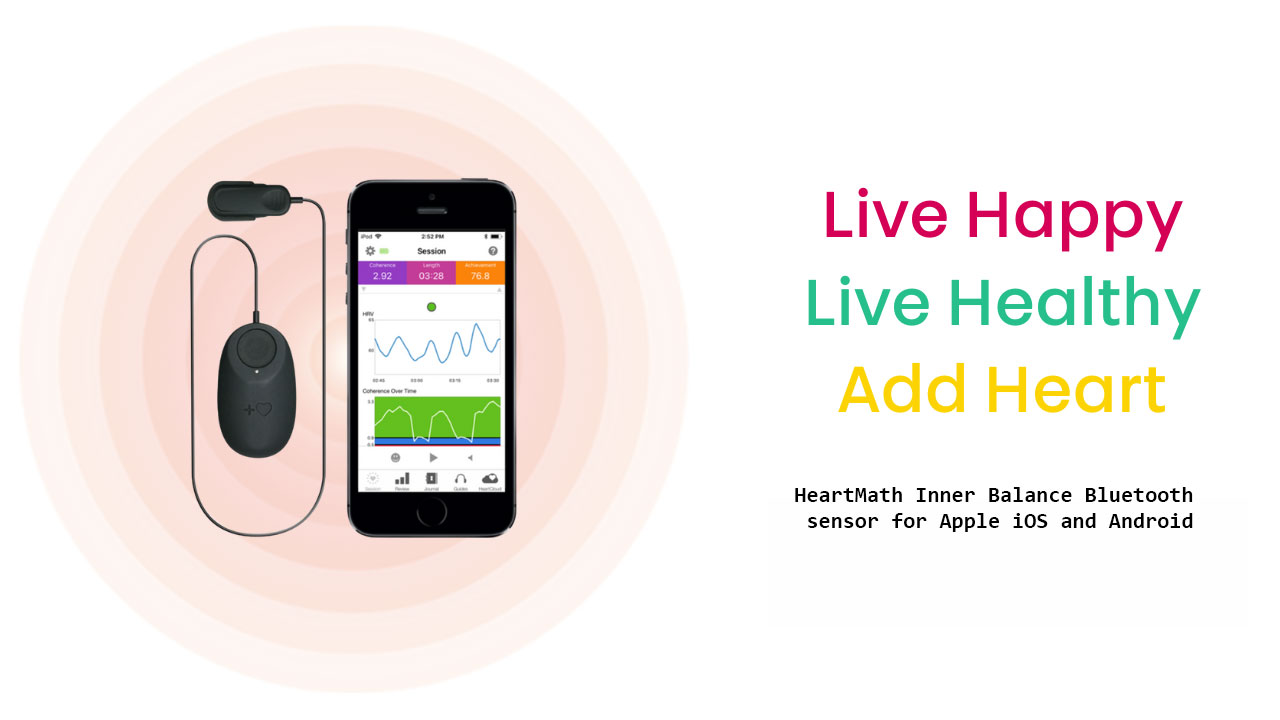
Call to Action: If you’re curious about how HeartMath could transform your life, why not give it a try? Explore HeartMath devices and techniques to experience the benefits of heart coherence for yourself. Join the growing community of individuals who are harnessing the power of HeartMath to achieve greater well-being and resilience. Begin your journey today and discover the potential of a more balanced and harmonious life.

